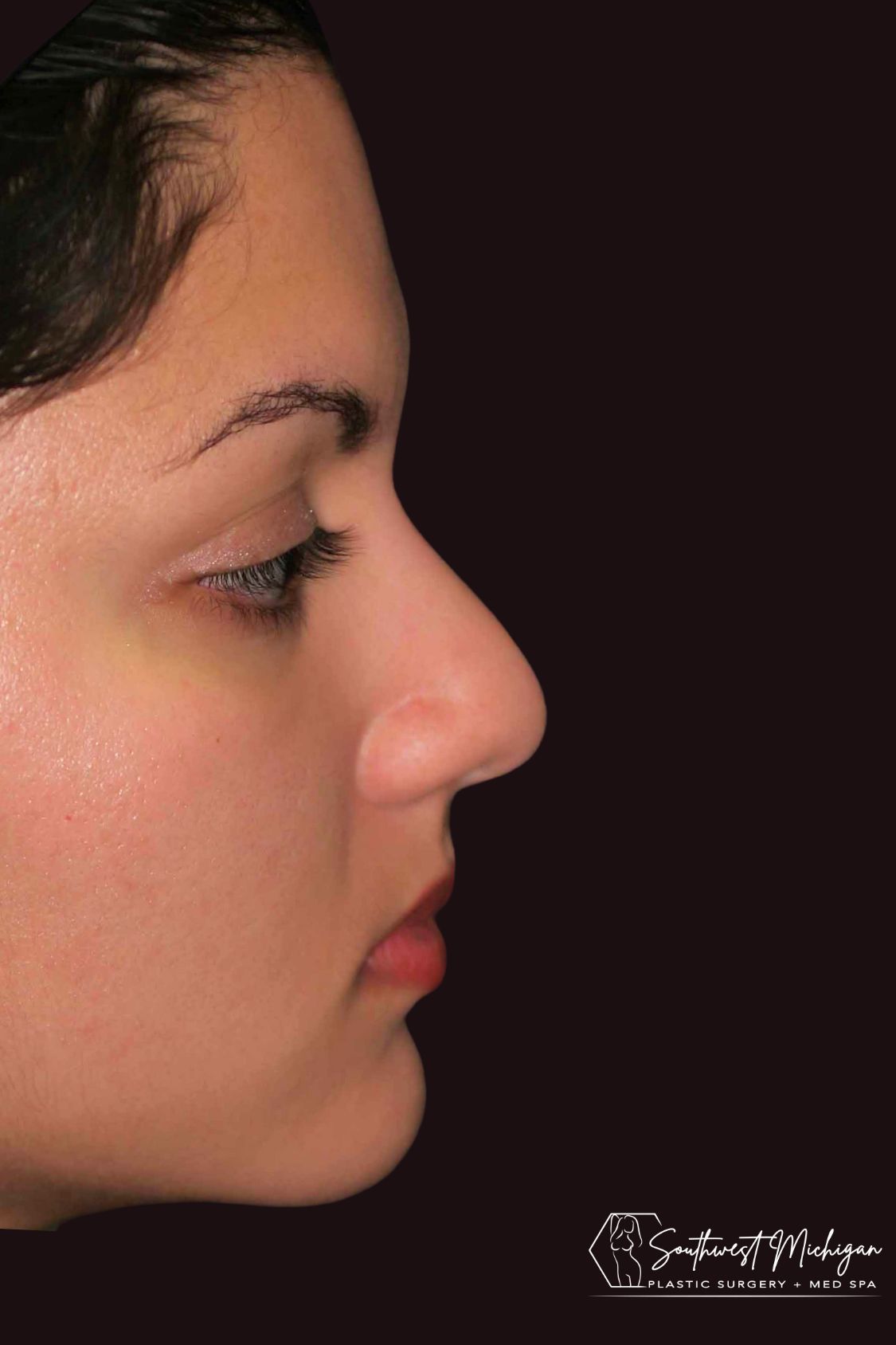
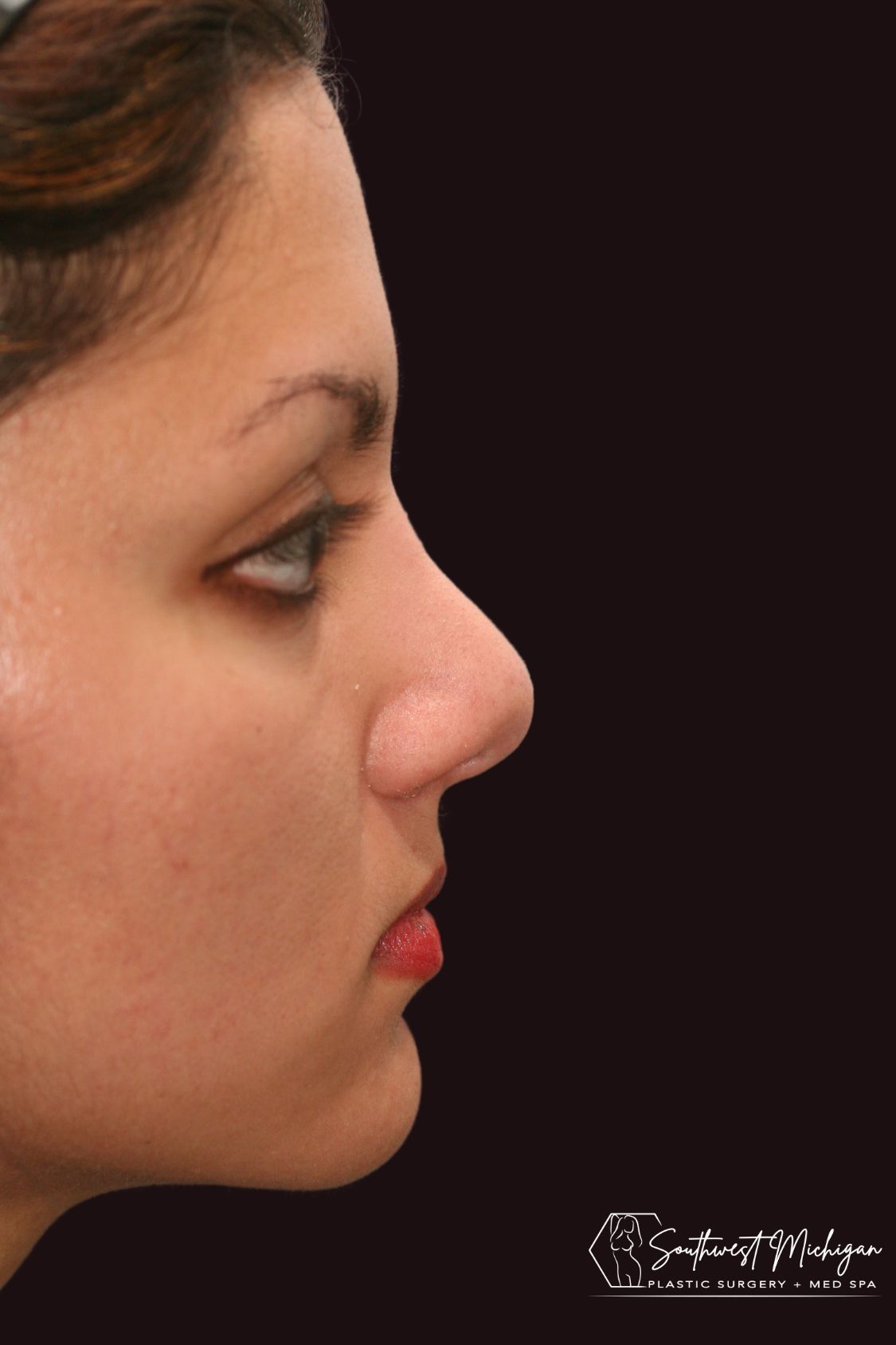
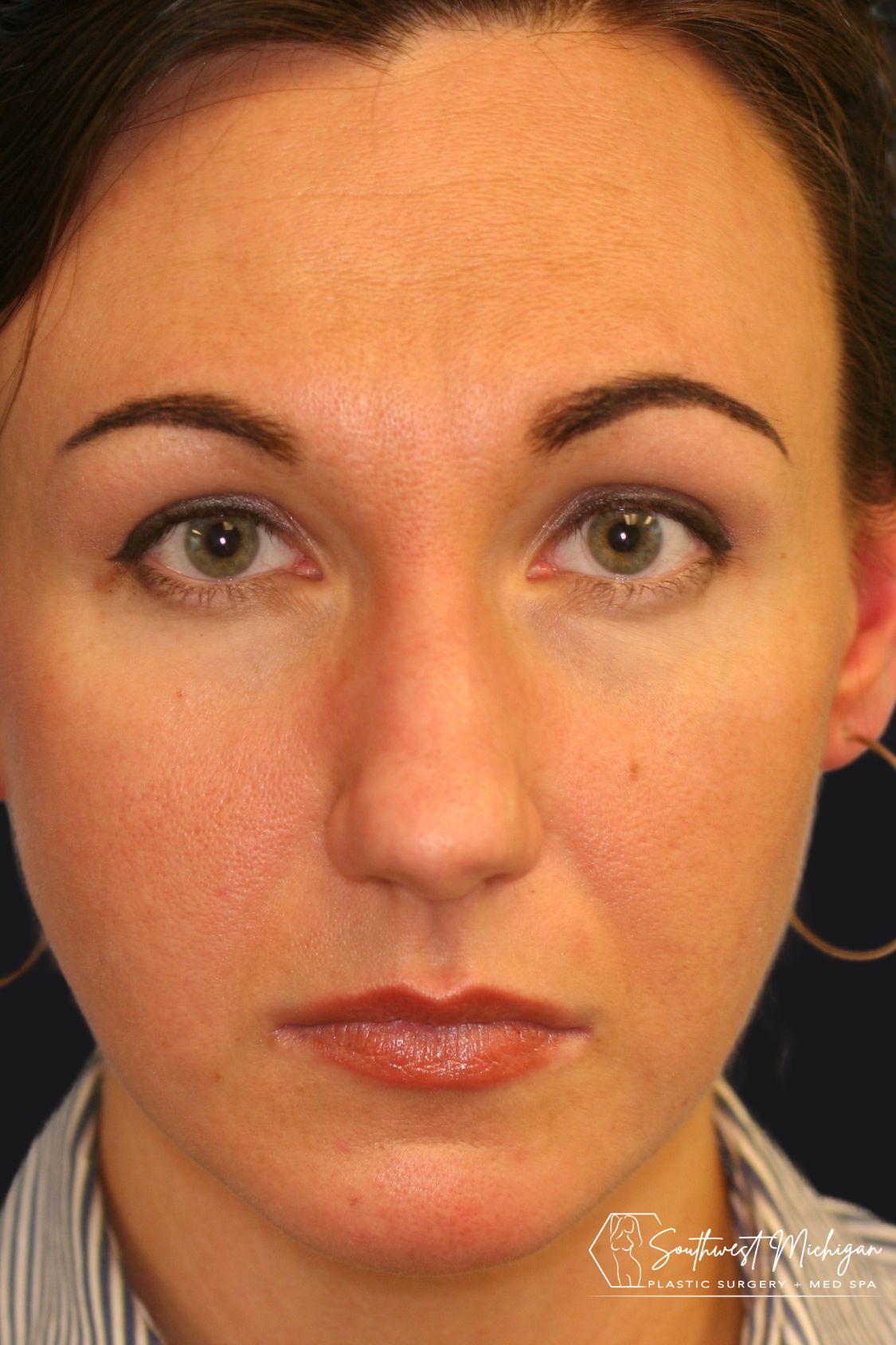
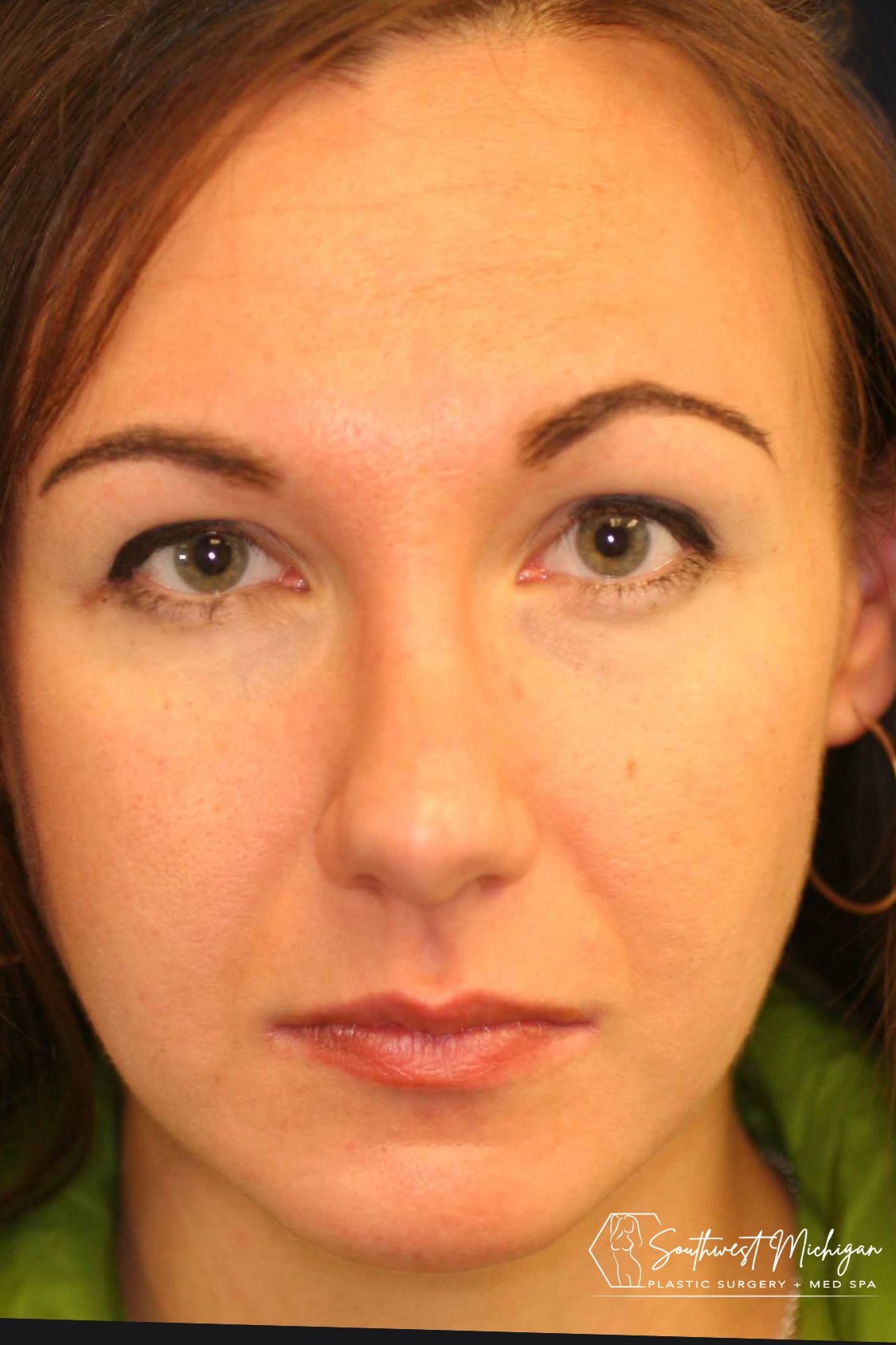
Preparing for Your Procedure
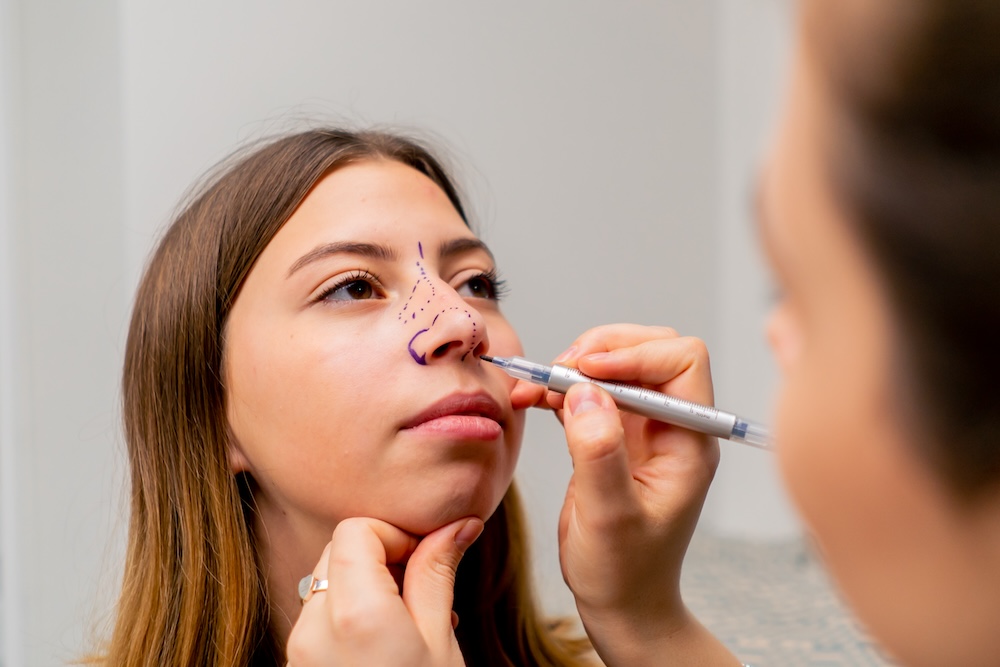
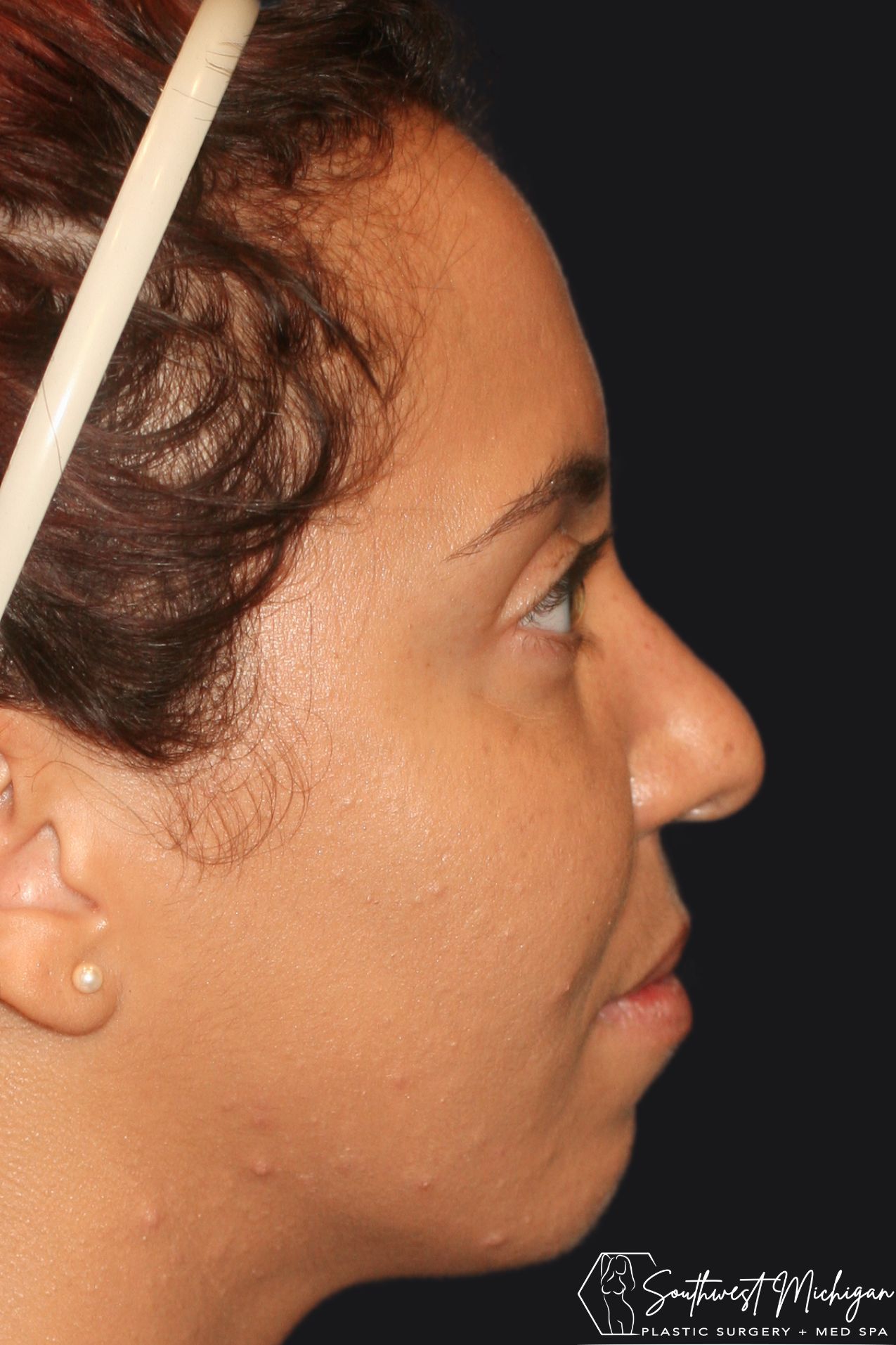
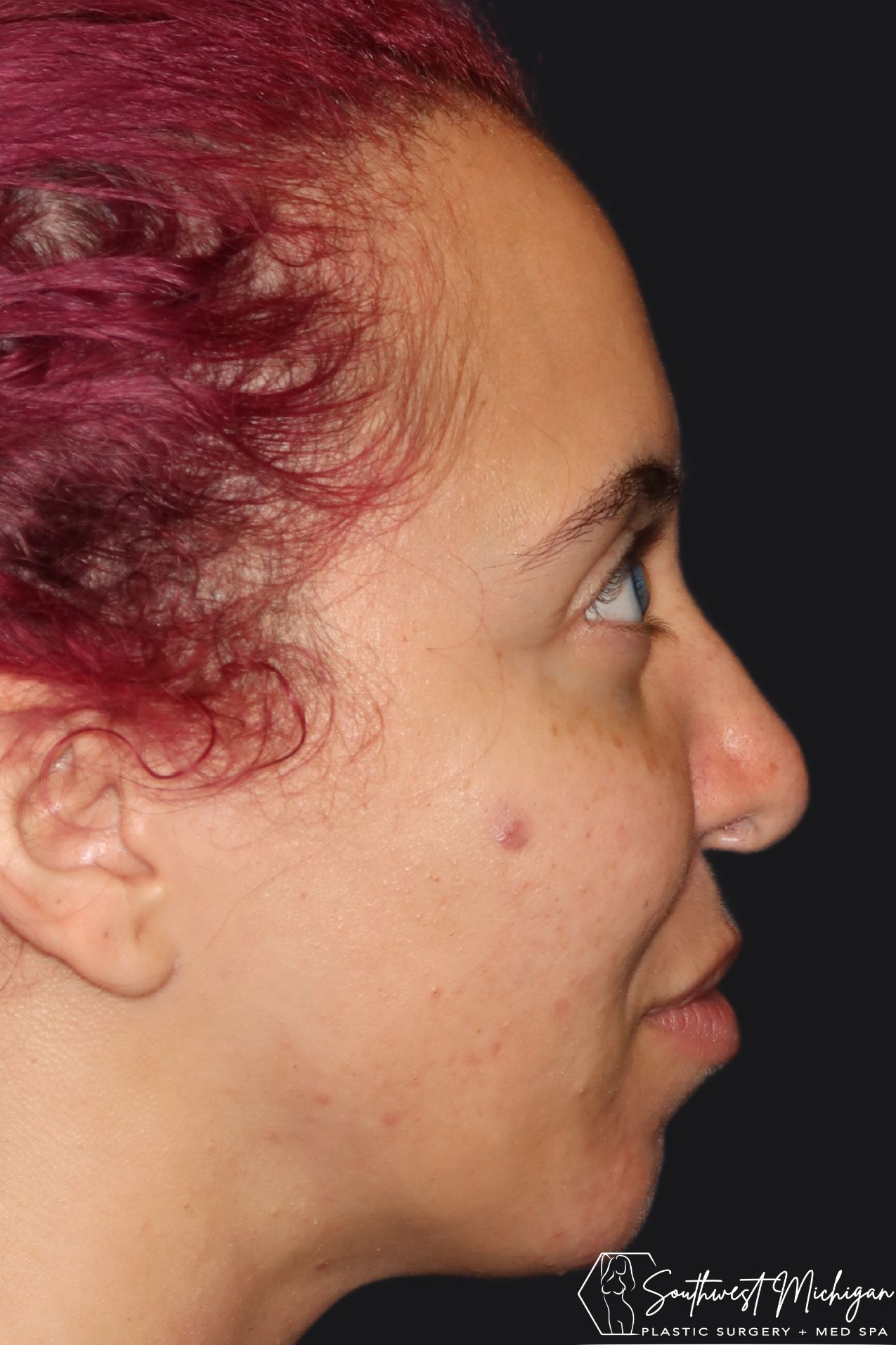
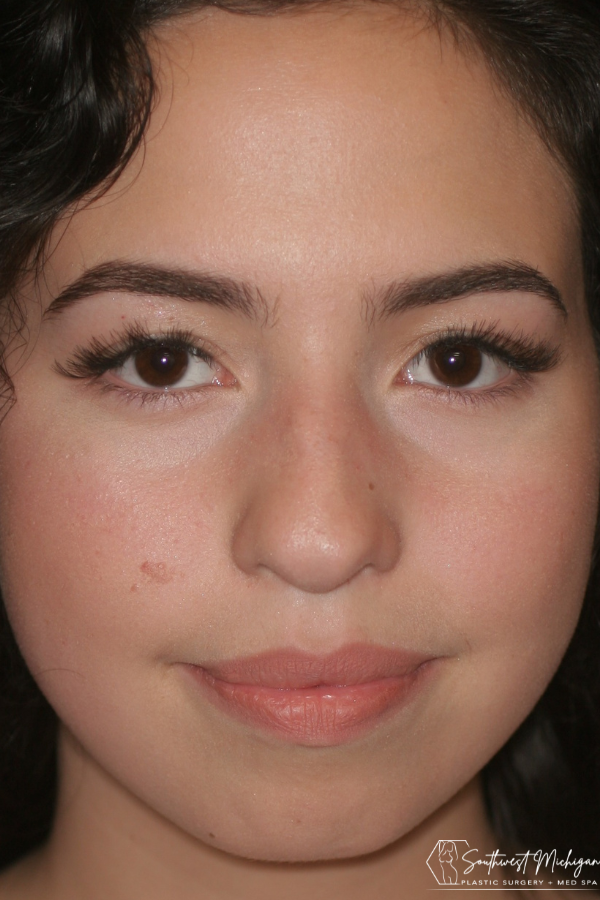
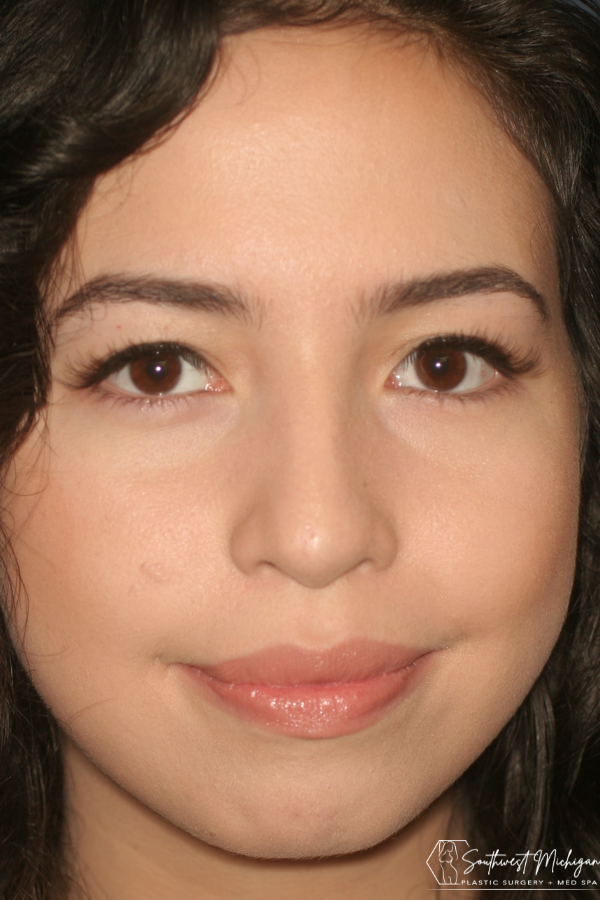
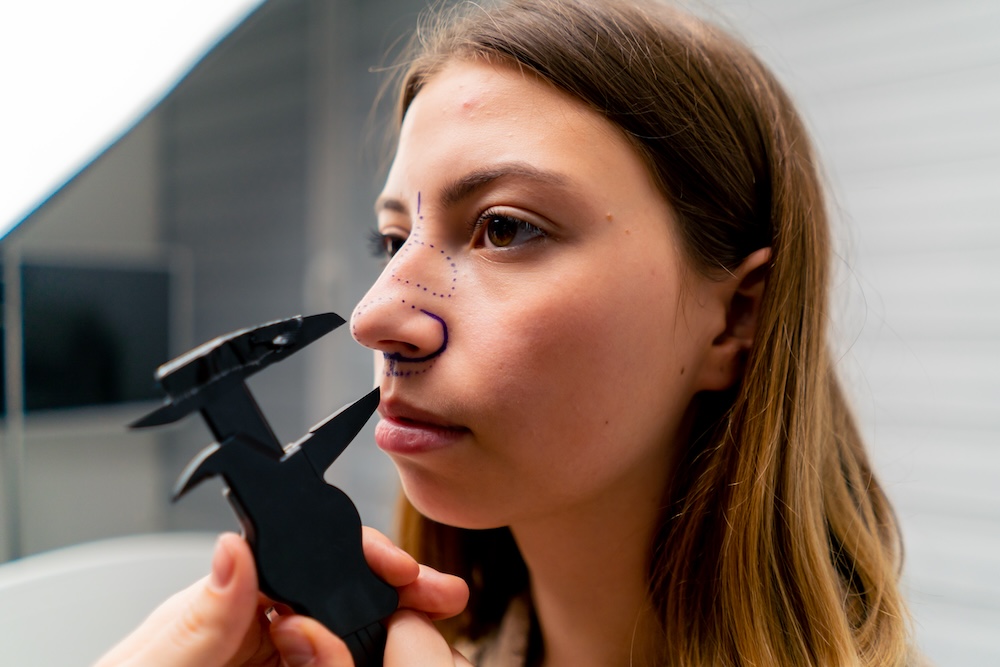
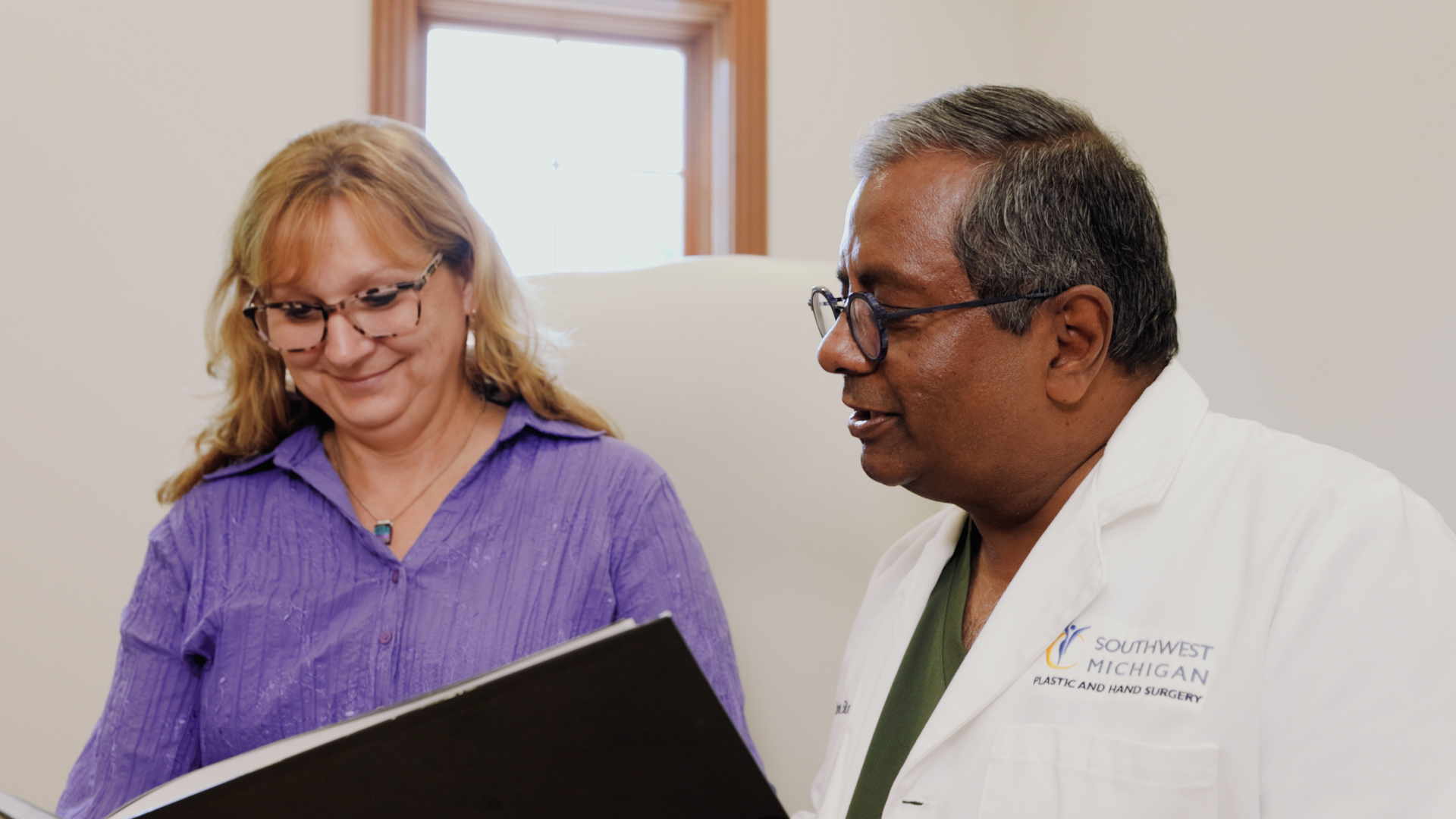
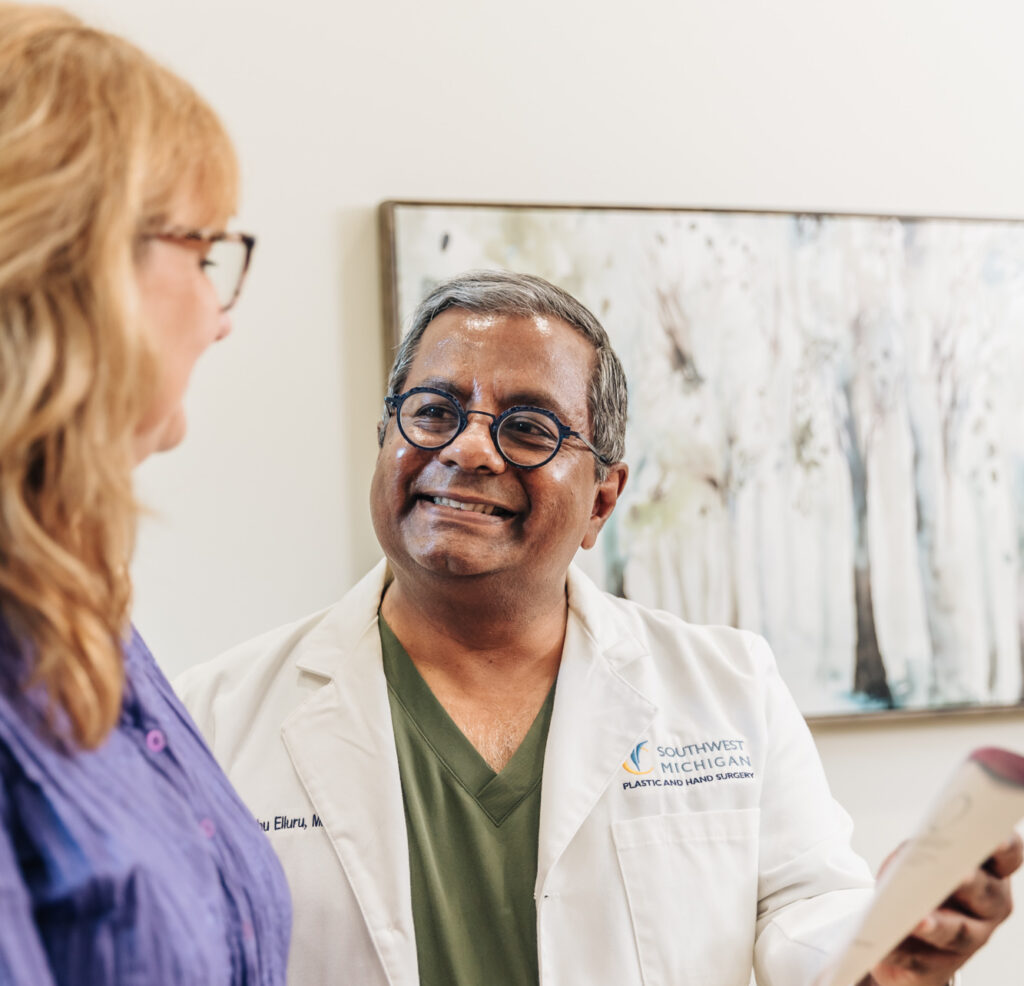
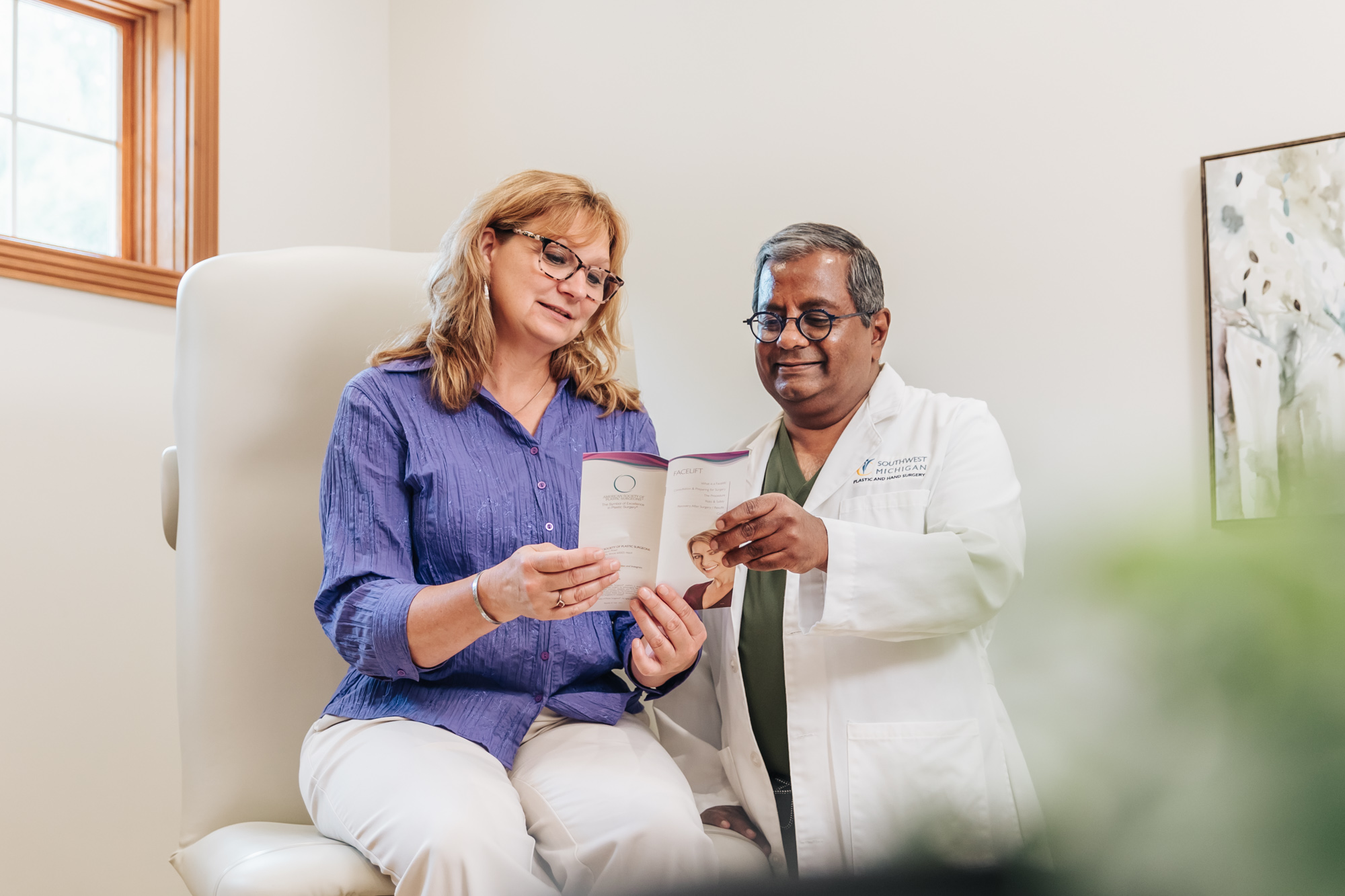
To help ensure our patients experience the best results following a rhinoplasty procedure, we first need to complete an in-person consultation. During this meeting, you and our providers will discuss your needs and build your personalized treatment plan. We may ask you some questions about your treatment expectations, your medical history, your aesthetic concerns, and your overall goals.
You may be a good fit for rhinoplasty if you want to change or enhance the shape of your nose. However, some conditions, like diabetes, prevent patients from receiving this surgery. Be open with your provider about your medical history to determine if you can receive rhinoplasty safely, since we always put your health first.
Once our providers have a more comprehensive idea of your goals for your rhinoplasty treatment, we can schedule your procedure and give you guidance to help you prepare.
Before your surgery, we recommend setting up your home for the recovery period. Stock your pantry with food and pre-made meals, so you don’t need to worry about cooking. You should also come to your procedure with a driver to take you home, as it is not safe to get behind the wheel after going under anesthesia.
The Rhinoplasty Procedure
The rhinoplasty procedure may take anywhere from 1.5 to 3 hours, depending on your goals. A patient interested in decreasing the size of their nose has a different procedure process than someone looking to improve their breathing.
Regardless of whether your procedure lasts 1.5 hours or 3, do not schedule anything else on the same day of your procedure—you should not go out immediately following your surgical treatment. In fact, we recommend taking a week off work following your surgery, so you have the time to heal effectively.
Recovering After Your Procedure
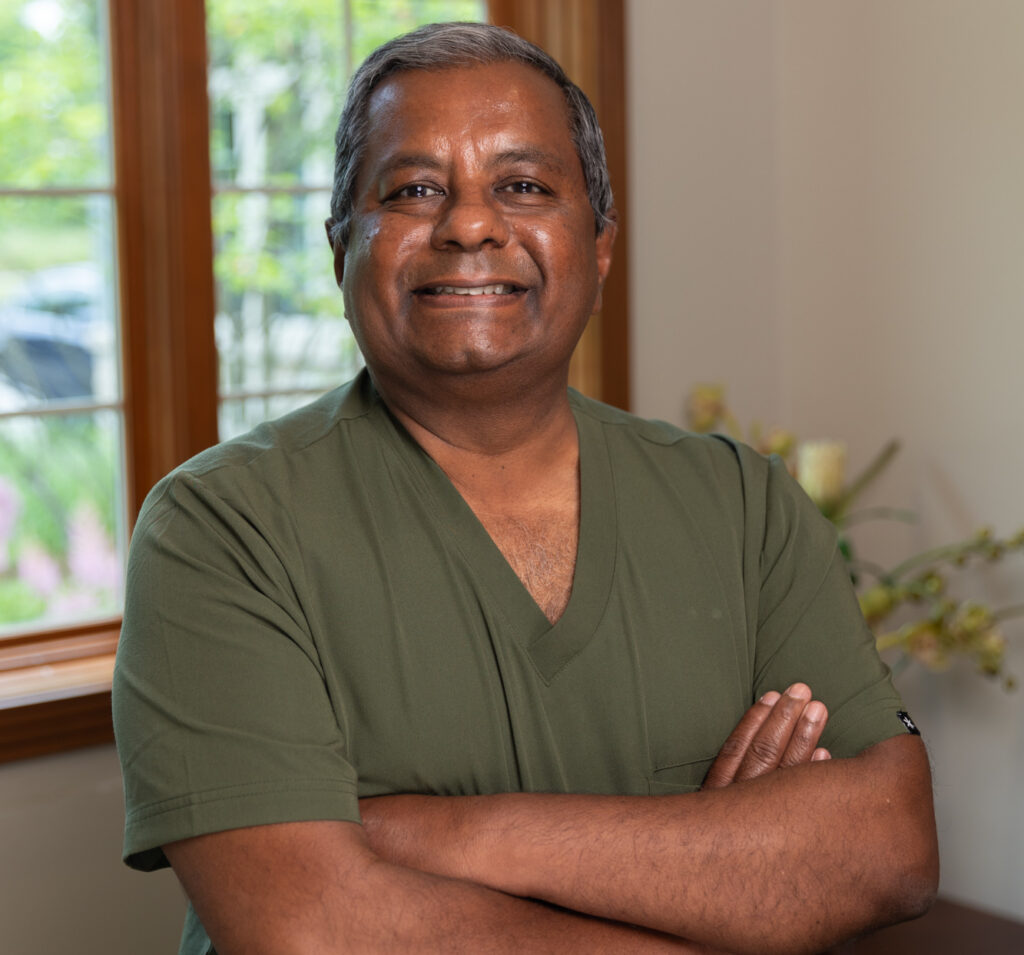
To achieve your ideal results, don’t rush your recovery. Rest until the majority of swelling and bruising subsides, and follow all Dr. Elluru’s advice. Drink water, stop smoking, and keep away from any medications that thin the blood (including ibuprofen and aspirin).
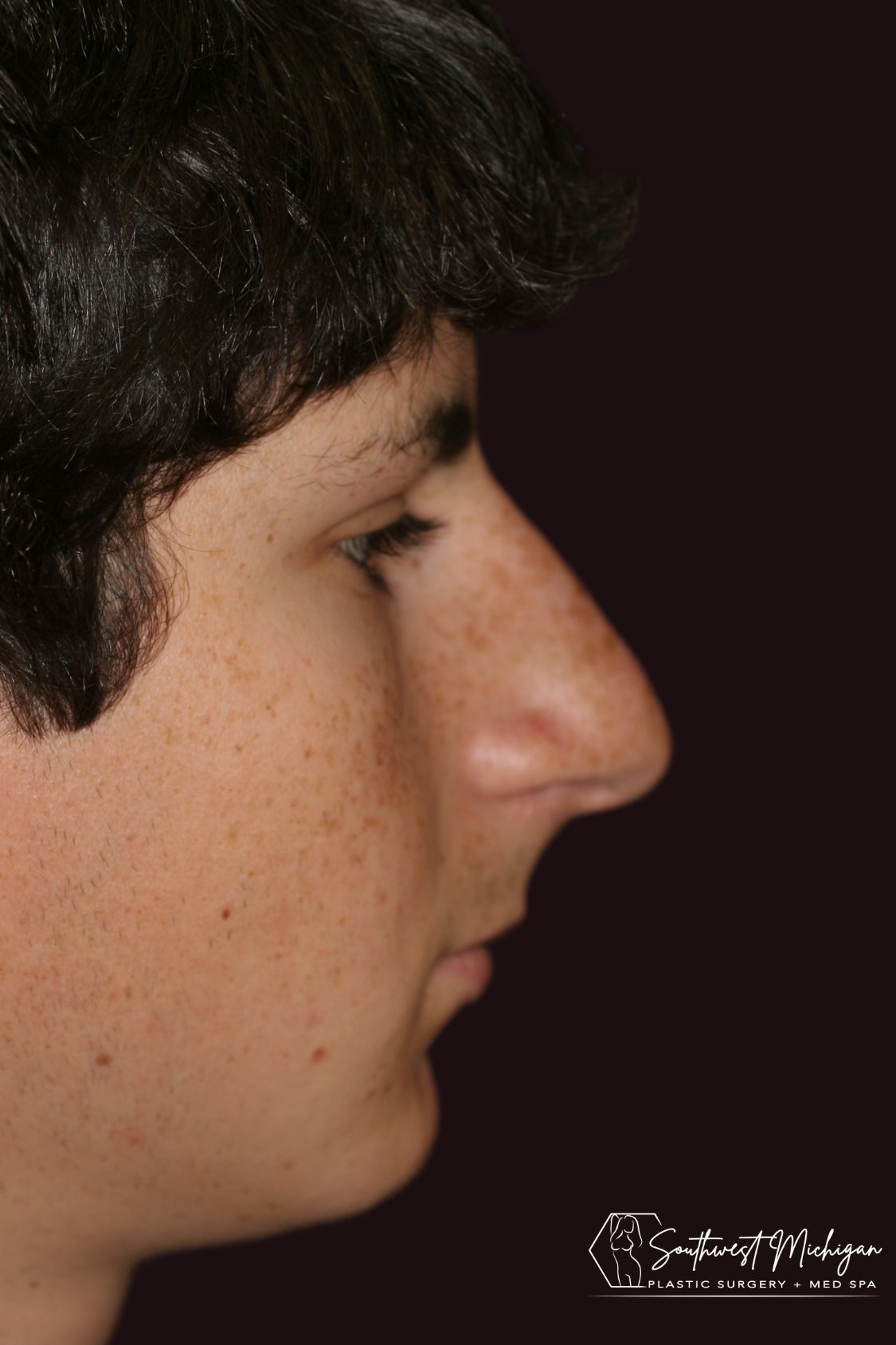
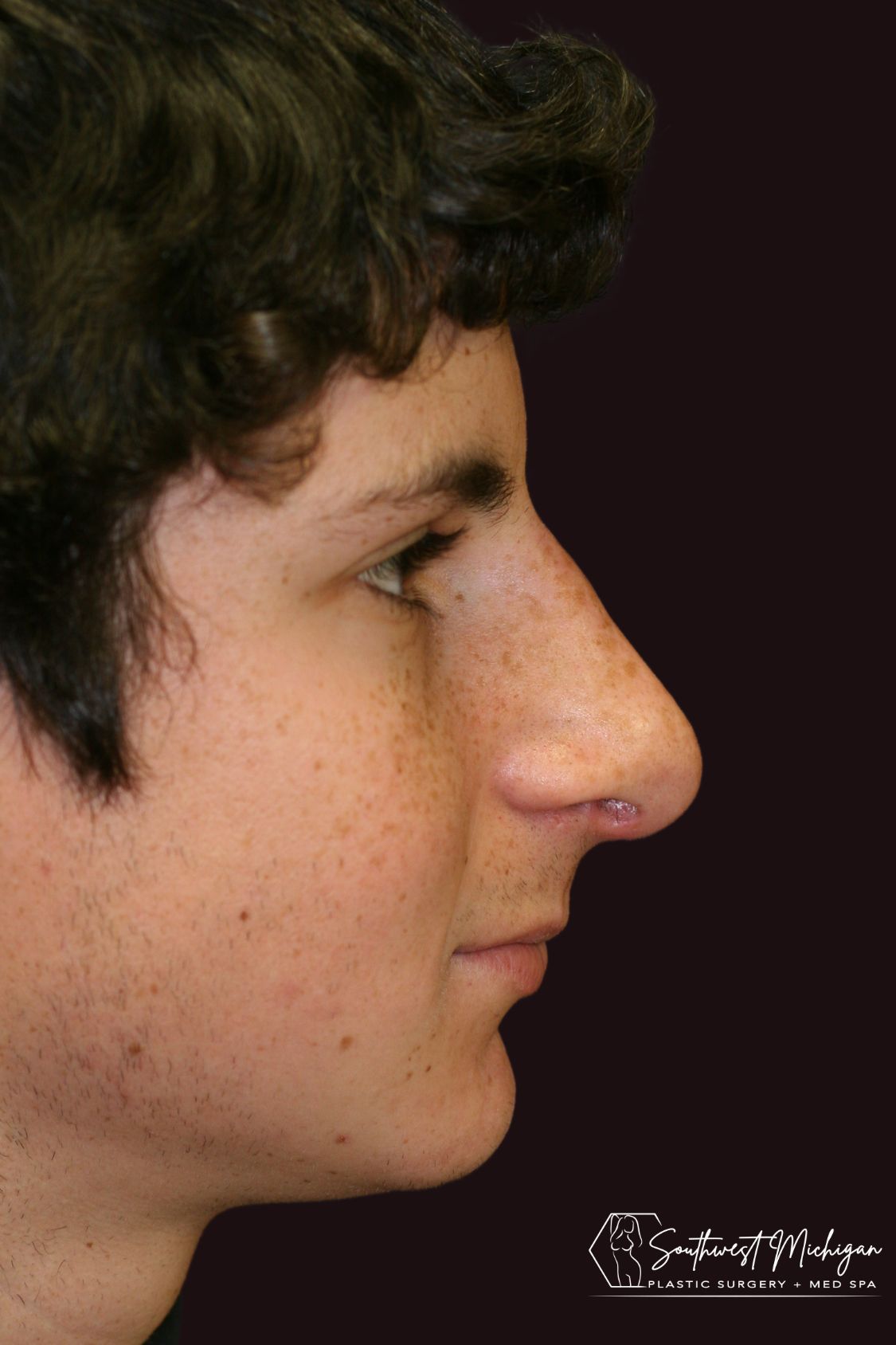
The results of your procedure are permanent, but a rhinoplasty can’t prevent the physical signs of aging. In the years after your procedure, you may notice your features sagging and drooping, though you can slow this process by maintaining a dedicated skincare routine.The
Difference Between Surgical and Non-Surgical Rhinoplasty?
When we’re performing rhinoplasty near Portage, we align each procedure to the patient’s specific needs. However, we also prioritize your safety first, above any results or plans. Therefore, we only perform surgical rhinoplasty. Keep reading to explore the differences and learn why.
Read More
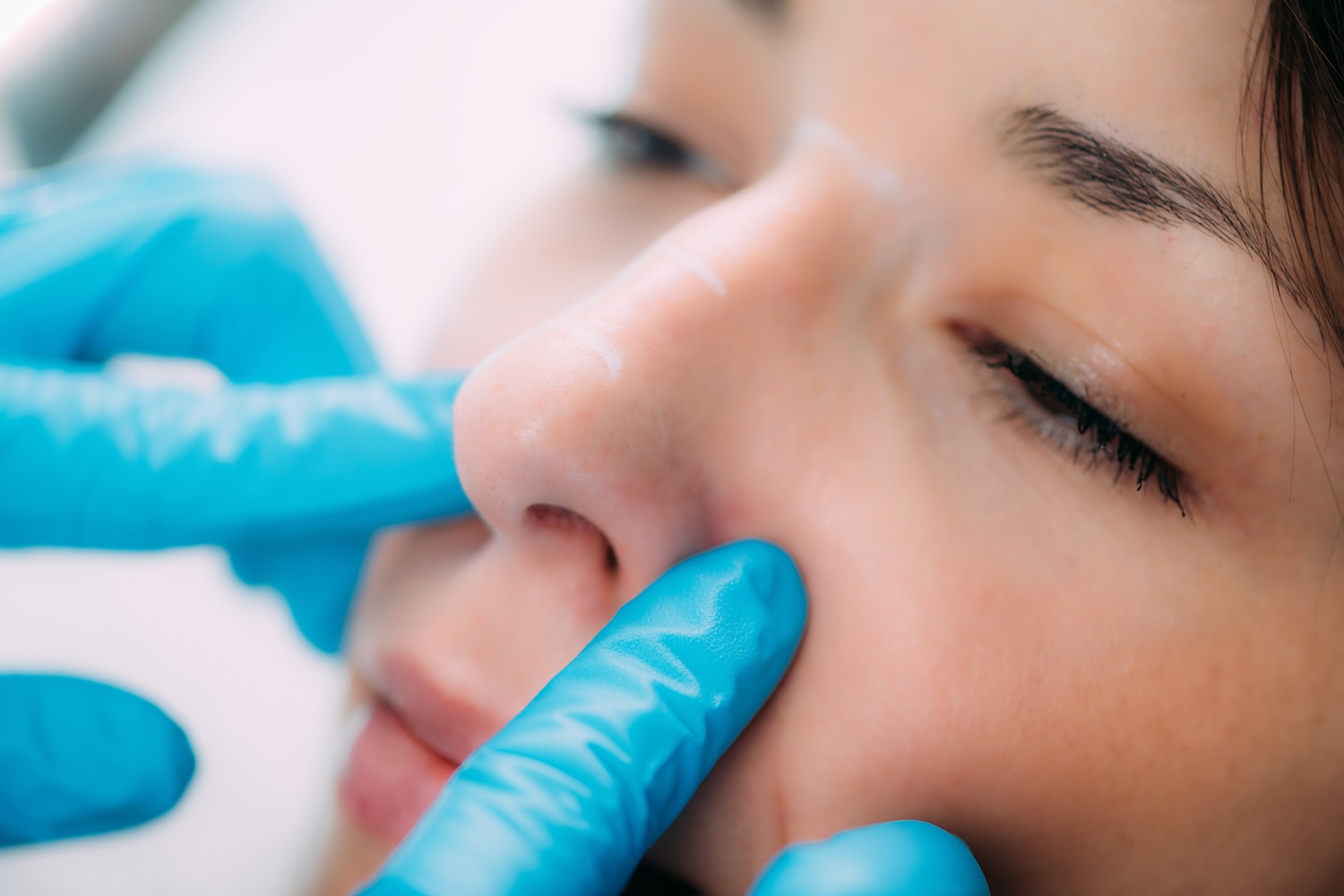
Surgical rhinoplasty near Portage is the procedure most patients think of when they consider getting “a nose job.” During this process, a surgeon makes adjustments to the bone and cartilage that give the nose its structure, which changes the overall shape and size of the nose.
Although it requires a more invasive process and downtime, surgical rhinoplasty near Portage can create refined and incredibly personalized results, and it lasts permanently.
Some patients hesitate to commit to a surgical procedure, so they seek out nonsurgical rhinoplasty alternatives, which usually use dermal fillers to change the nose shape.
However, this only creates temporary results, and nonsurgical rhinoplasty carries safety risks, because the injections are placed in a very small area near key blood vessels, so it has a higher risk of complications.